
1-1 Introduction
1-1 Brief overview of Japanese apartments
Japanese apartments offer a unique blend of modern convenience and traditional elements. They are designed to maximize space efficiency while providing a comfortable living environment. Whether you are moving to Japan for work, study, or adventure, understanding the various types of apartments available can help you make an informed decision.
1-2 Importance of understanding Japanese living spaces
Understanding Japanese living spaces is crucial for anyone planning to live in Japan. The layout, size, and features of Japanese apartments can differ significantly from those in other countries. Being well-informed can help you navigate the rental process, adapt to daily life, and fully enjoy your living experience in Japan.
1-3 Mention of the key topics covered in the article
This guide will cover the types of Japanese apartments, their sizes and layouts, key features, the rental process, living adjustments, challenges, advantages, and a conclusion with additional resources.
2-1 Types of Japanese Apartments
2-1 Mansions (マンション)
Mansions are typically modern, multi-story apartment buildings made of reinforced concrete. They offer better sound insulation and often include amenities such as elevators and security systems.
Mansions are known for their robust construction and durability, utilizing reinforced concrete to ensure stability and reduce noise between units. These buildings are often high-rise structures, offering impressive views of the surrounding cityscape. The design of mansions emphasizes both functionality and aesthetics, with contemporary architectural styles that cater to modern living standards.
Mansions typically feature a variety of apartment layouts, ranging from compact studios to spacious multi-room units, accommodating a wide range of resident needs. Inside, these apartments often include high-quality fixtures and finishes, such as hardwood floors, modern kitchen appliances, and stylish bathrooms. The attention to detail in design and construction sets mansions apart from other types of housing in Japan.
2-2 Apato (アパート)
Apato are generally smaller, older buildings made of wood or lightweight steel. They are more affordable but offer less sound insulation and fewer amenities compared to mansions.
Apato buildings, typically no more than two or three stories high, are often found in suburban and rural areas. Constructed from wood or lightweight steel, these buildings reflect a more traditional and utilitarian approach to housing. The architectural style of Apato is usually simple and functional, prioritizing basic living needs over luxury or modern aesthetics.
The apartments in Apato buildings tend to be smaller in size, often featuring compact layouts that maximize the use of available space. Commonly, these units include a small kitchen, a living area, a bedroom, and a bathroom. Due to their age and simpler construction, Apato may not have the modern conveniences found in newer buildings, such as central heating, air conditioning, or advanced security systems.
One of the main drawbacks of Apato is the lower level of sound insulation. The wooden or lightweight steel structures do not provide the same noise-dampening qualities as reinforced concrete. As a result, residents may hear more noise from their neighbors or from outside, which can impact privacy and comfort.
However, the lack of sound insulation is often mitigated by the sense of community in these buildings. Neighbors in Apato complexes tend to be more aware of each other’s presence and may develop informal agreements to maintain a quiet and respectful living environment. This can foster a close-knit community atmosphere that is sometimes lacking in larger, more impersonal buildings.
2-3 Share Houses
Share houses are communal living spaces where residents share common areas like kitchens, living rooms, and bathrooms, while having private bedrooms. These accommodations offer a unique blend of private and social living, appealing to a diverse group of people.
Share houses typically feature a variety of private bedroom options, ranging from simple single rooms to more spacious, furnished suites. The shared spaces are designed to foster interaction and community living. Common areas often include a fully equipped kitchen, a large living room, laundry facilities, and sometimes even shared workspaces or recreational areas. These spaces are furnished and maintained to encourage socializing and cooperation among residents.
One of the key attractions of share houses is the sense of community they provide. Living in a share house means being part of a social environment where residents can easily make friends and engage in communal activities. Many share houses organize events, such as group dinners, movie nights, or cultural exchange activities, which help residents bond and create a supportive network.
3-1 Apartment Sizes and Layouts
3-1 1K, 1DK, 1LDK Explained
Typical size range
1K apartments are typically around 20-30 square meters, while 1DK and 1LDK apartments range from 30-40 square meters.
Definition and common layouts
- 1K: One room with a separate kitchen area.
- 1DK: One room with a dining and kitchen area.
- 1LDK: One room with a living, dining, and kitchen area.
3-2 2K, 2DK, 2LDK Explained
Typical size range
These apartments usually range from 40-60 square meters, offering more space for families or roommates.
Definition and common layouts
- 2K: Two rooms with a separate kitchen.
- 2DK: Two rooms with a dining and kitchen area.
- 2LDK: Two rooms with a living, dining, and kitchen area.
h3-3-3 3K, 3DK, 3LDK Explained
Typical size range
3K, 3DK, and 3LDK apartments typically range from 60-80 square meters, suitable for larger families.
Definition and common layouts
- 3K: Three rooms with a separate kitchen.
- 3DK: Three rooms with a dining and kitchen area.
- 3LDK: Three rooms with a living, dining, and kitchen area.
4-1 Key Features of Japanese Apartments
4-1Tatami Rooms
Tatami rooms feature traditional Japanese flooring made of woven straw, known as tatami mats. These mats, typically about 5.5 cm thick, provide a soft and natural surface that is both aesthetically pleasing and functional. The use of tatami mats dates back centuries and remains a significant cultural symbol in Japan.
Tatami rooms have long been a staple in Japanese homes, offering a versatile space that can serve multiple purposes. Traditionally, these rooms were used for a variety of activities such as sleeping, eating, and entertaining guests. The natural insulation properties of tatami make these rooms cool in the summer and warm in the winter, adding to their appeal.
In modern apartments, the presence of tatami rooms varies. While some contemporary apartments may forgo tatami in favor of Western-style flooring like hardwood or carpet, many Japanese homes still include at least one tatami room. This blend of old and new allows residents to maintain a connection to traditional Japanese culture while enjoying modern conveniences.
4-2 Compact Kitchens
Typical Appliances and Layout
Japanese kitchens are known for their compact and efficient design, making the most of limited space. These kitchens are meticulously planned to facilitate quick meal preparation and minimal storage while ensuring that all essential appliances and features are easily accessible.
A standard compact Japanese kitchen includes several key appliances:
Small Stove: Usually featuring one to three burners, the stove is designed to accommodate basic cooking needs. Some stoves also come with a built-in fish grill, a staple in many Japanese households.
Refrigerator: Japanese refrigerators are generally smaller than their Western counterparts, optimized to fit in tight spaces. They often include a freezer compartment and multiple storage shelves to organize food efficiently.
Microwave Oven: Often a combination of a microwave and a convection oven, this appliance maximizes utility while occupying minimal counter space.
Rice Cooker: An essential in Japanese kitchens, the rice cooker is compact yet capable of preparing various types of rice and other dishes.
Electric Kettle or Hot Water Dispenser: For quick boiling of water, an electric kettle or a hot water dispenser is a common feature in many kitchens.
Compact Dishwasher: In some modern kitchens, a small dishwasher might be installed, though many households still wash dishes by hand due to space constraints.
The layout of a Japanese compact kitchen is typically linear, ensuring all appliances and workspaces are within easy reach. This efficient design minimizes the movement required during cooking and maximizes the use of available space.
4-3 Bathrooms and Toilets
Separation of Toilet and Bath Areas
In Japanese apartments, the separation of the toilet and bath areas is a common and practical design feature. This layout promotes hygiene by ensuring that the toilet is housed in a separate, often smaller room, distinct from the bathing and showering space. This separation allows for multiple people to use the facilities simultaneously without sacrificing privacy or cleanliness. For instance, one person can take a bath while another uses the toilet, making the arrangement highly convenient for families and shared living situations.
The toilet room, known as "toire," is typically compact but well-equipped with advanced features such as bidet functions, heated seats, and sometimes even deodorizing systems. These features enhance comfort and hygiene, reflecting the Japanese attention to detail in everyday living.
Common Bathroom Features
Japanese bathrooms, often referred to as "ofuroba," are designed to provide a relaxing and efficient bathing experience. They are distinct from Western bathrooms in several ways, focusing on both practicality and the cultural importance of bathing.
Advanced Shower Systems
Adjacent to the ofuro, the shower area is usually a wet room with a drain on the floor. This design allows for thorough cleaning of the body before soaking in the tub. The shower area is equipped with a handheld showerhead and a wall-mounted faucet, giving users the flexibility to either shower standing up or while seated on a small stool, which is a traditional practice in Japan.
Japanese shower systems often include advanced features such as temperature control, allowing users to precisely set their preferred water temperature. Some modern units also have eco-friendly options to reduce water usage without compromising the showering experience.
Multi-Functional Toilets
Japanese toilets, particularly in newer or more upscale apartments, are renowned for their technological sophistication. These multi-functional toilets often include features like bidet functions with adjustable water pressure and temperature, heated seats, and air dryers. Some models also offer automated lid opening and closing, built-in deodorizers, and even ambient lighting. These features contribute to a highly comfortable and hygienic experience.
Waterproof and Easy to Clean
The entire bathroom is designed to be waterproof, which makes cleaning straightforward and efficient. Walls, floors, and fixtures are made from materials that can withstand water exposure, and the design allows for easy rinsing and draining. This focus on cleanliness is deeply rooted in Japanese culture, where maintaining a clean living environment is highly valued.
Additional Features
Some Japanese bathrooms also incorporate built-in drying systems, known as "bafūn," which are particularly useful for drying laundry indoors. This feature is especially beneficial during the rainy season or in homes without a balcony for drying clothes. Additionally, many bathrooms have mirrors treated with anti-fog coating, ensuring clear visibility even after a hot shower.
5-1 Renting an Apartment in Japan
5-1 Finding an Apartment
Real estate agencies and online platforms
To find an apartment, you can use real estate agencies or online platforms. Agencies offer personalized service, while online platforms provide a wide range of options.
5-2 Key search terms
Familiarize yourself with key search terms such as "mansion," "apato," and the layout abbreviations (1K, 2DK, etc.) to refine your search.
5-3 Understanding Rent and Costs
Average rent prices in major cities
Rent prices vary by city, with Tokyo being the most expensive. On average, expect to pay between ¥50,000 and ¥150,000 per month.
5-4 Additional costs (key money, deposit, maintenance fees)
Besides rent, you may need to pay key money (a non-refundable gift to the landlord), a deposit, and monthly maintenance fees.
5-5 Signing the Lease
Necessary documentation
Prepare necessary documentation such as your passport, visa, and proof of income. A Japanese guarantor may also be required.
5-6 Typical lease terms and conditions
Leases usually last for two years, with options to renew. Understanding the terms and conditions is crucial to avoid any misunderstandings.
6-1 Living in a Japanese Apartment
6-1 Daily Life Adjustments
Noise considerations and etiquette
Japanese apartments have thin walls, so it's important to be mindful of noise. Quiet hours are usually observed between 10 PM and 7 AM.
6-2 Waste disposal rules
Japan has strict waste disposal rules, requiring separation of trash into categories like burnable, non-burnable, and recyclables.
6-3 Utilities and Internet
Setting up electricity, water, and gas
Utilities can be set up through local providers. You may need assistance from a Japanese speaker to navigate the setup process.
6-4 Choosing an internet provider
Several internet providers offer various plans. Compare options to find the best deal based on your usage and budget.
7-1 Advantages of Japanese Apartments
7-1 Safety and Security
Japan is renowned for its exceptionally low crime rates, making it one of the safest countries in the world to live in. This safety is a significant factor contributing to the overall quality of life in Japanese cities and neighborhoods. The low incidence of violent crime, such as assaults and robberies, provides residents with a sense of security that is often unparalleled in other parts of the world. This is reflected in the peaceful atmosphere of both urban and rural areas, where people feel comfortable walking alone at night and children can play outside with minimal supervision.
7-2 Building security features
Intercom Systems
Intercom systems are a standard feature in many apartment buildings in Japan. These systems allow residents to communicate with visitors before granting them access to the building. Modern intercom systems often come with video capabilities, enabling residents to see who is at the entrance. This visual confirmation adds an extra layer of security, ensuring that only known or verified individuals can enter the premises.
Secure Entryways
Secure entryways are another common feature in Japanese apartment buildings. These entryways typically include locked doors that require a key, keycard, or digital code to access. Some buildings use advanced biometric systems, such as fingerprint or facial recognition, for even greater security. Additionally, many secure entryways have automatic locking mechanisms that engage once the door is closed, preventing unauthorized access at all times.
7-3 Efficiency and Convenience
Tokyo Apartments for Rent
コンフォリア東新宿
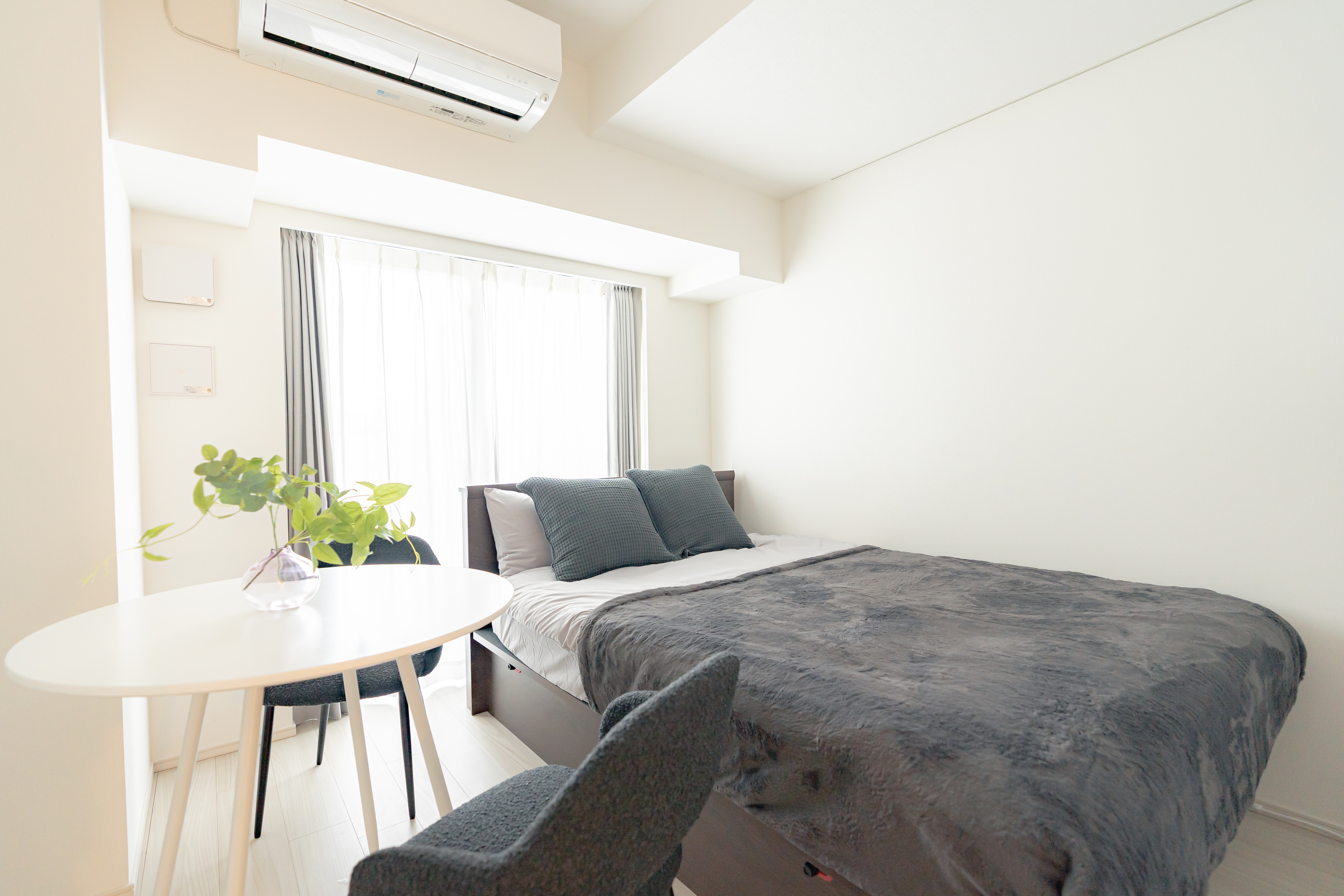
新宿・代々木・大久保。都営大江戸線東新宿駅徒歩2分, 東京メトロ副都心線東新宿駅徒歩2分。住民票取得可能、キッチン付き、洗濯機付き。ベッドや家電類が揃っているため、スーツケースひとつで入居可能。短期・長期どちらの滞在にも対応しています。https://www.comforia.jp/oasis
https://www.comforia.jp/welbox
Pet Hills unito KAMATA
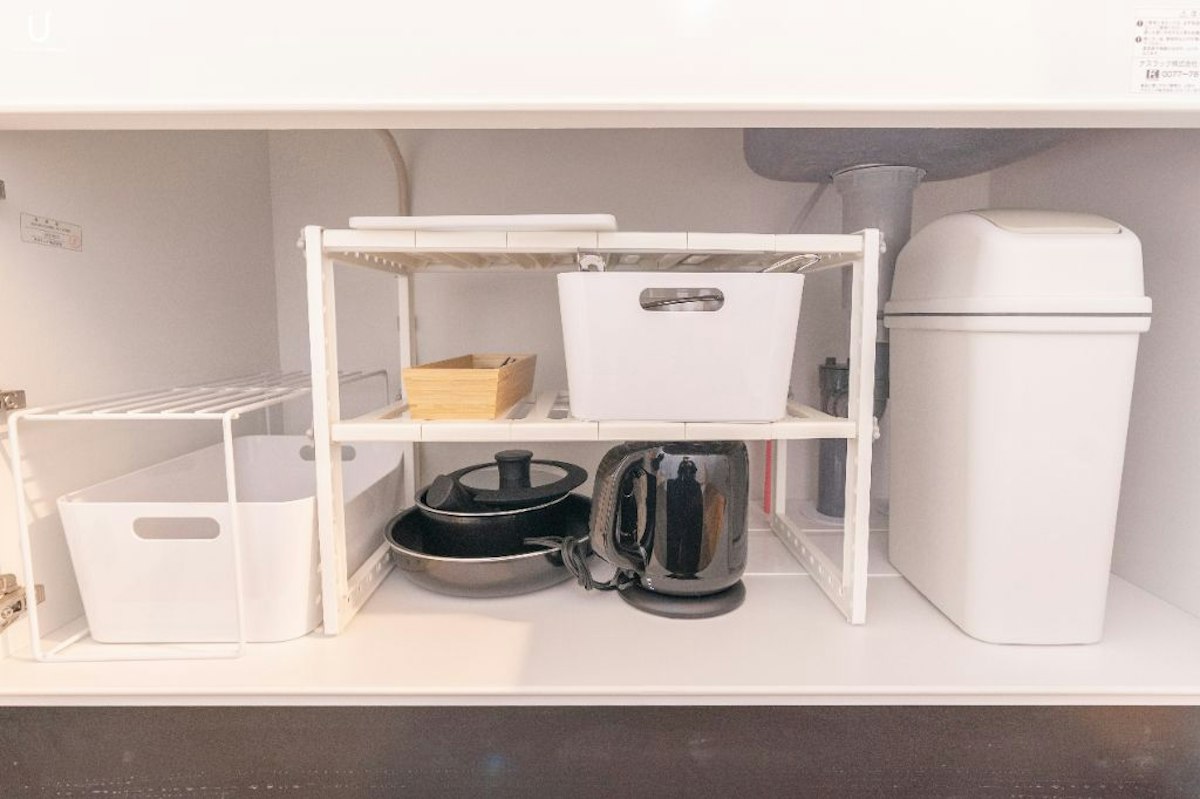
大井・蒲田。京急本線六郷土手駅徒歩3分。住民票取得可能、キッチン付き、洗濯機付き。室内には壁付けで安全性に配慮したキャットウォークを設置しており、猫ちゃんも安心して遊べます。Pet Hills unito KAMATA
3unito SHIODOME
COVID-19 Prevention Measures
○Requests to Guests
- We ask for your cooperation in taking your temperature at check-in. If a fever of 37.5°C or higher is detected, you may be asked to refrain from staying with us in accordance with public health center guidelines.
- Please wear a mask when using shared spaces and elevators within the building.
- If you develop a fever, cough, or other symptoms, please contact the staff immediately. Upon notification, appropriate measures will be taken based on public health center instructions.
- Alcohol-based hand sanitizers are available in the common area on the first floor. We ask for your cooperation in disinfecting your hands.
○Hotel Initiatives
Installation of acrylic partitions at the front desk.
Regular disinfection, cleaning, and ventilation of shared facilities and equipment such as elevators, lobbies, and public restrooms/showers.
Strict enforcement of mask-wearing and hygiene management among employees.
About the Rooms
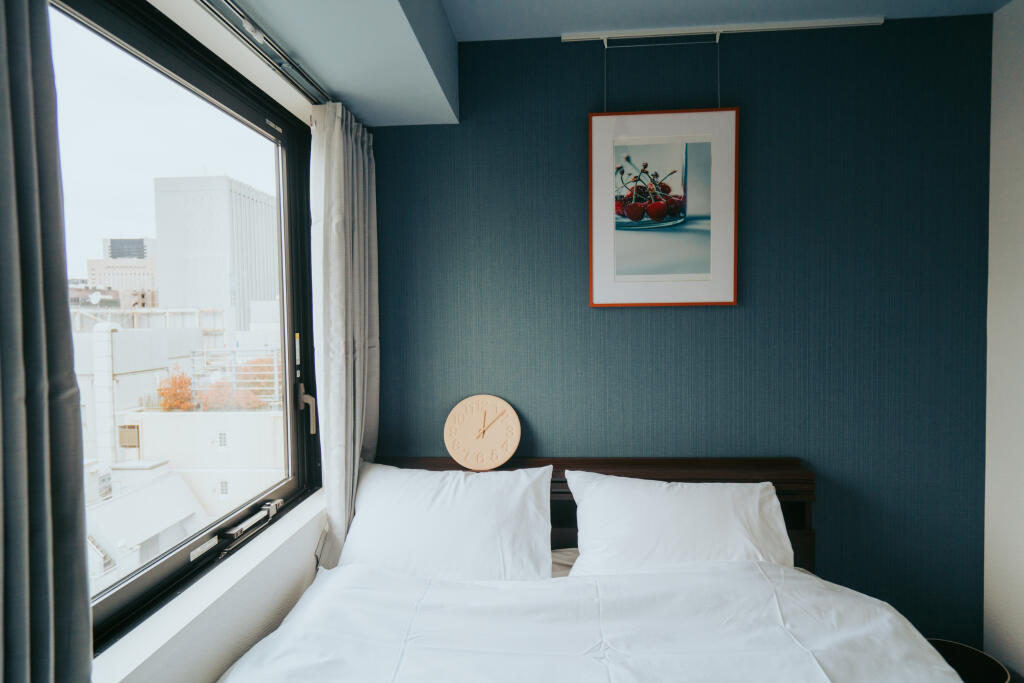
The interior features a calming design incorporating the unito color blue. Under the bed, there is a large storage space called a "Re-rent Box," allowing ample storage for luggage even when staying away from home. Each guest room is equipped with a unit bath, workspace, TV, refrigerator, and kitchen, ensuring a comfortable urban living experience.
https://en.unito.life/property/46
unito CHIYODA
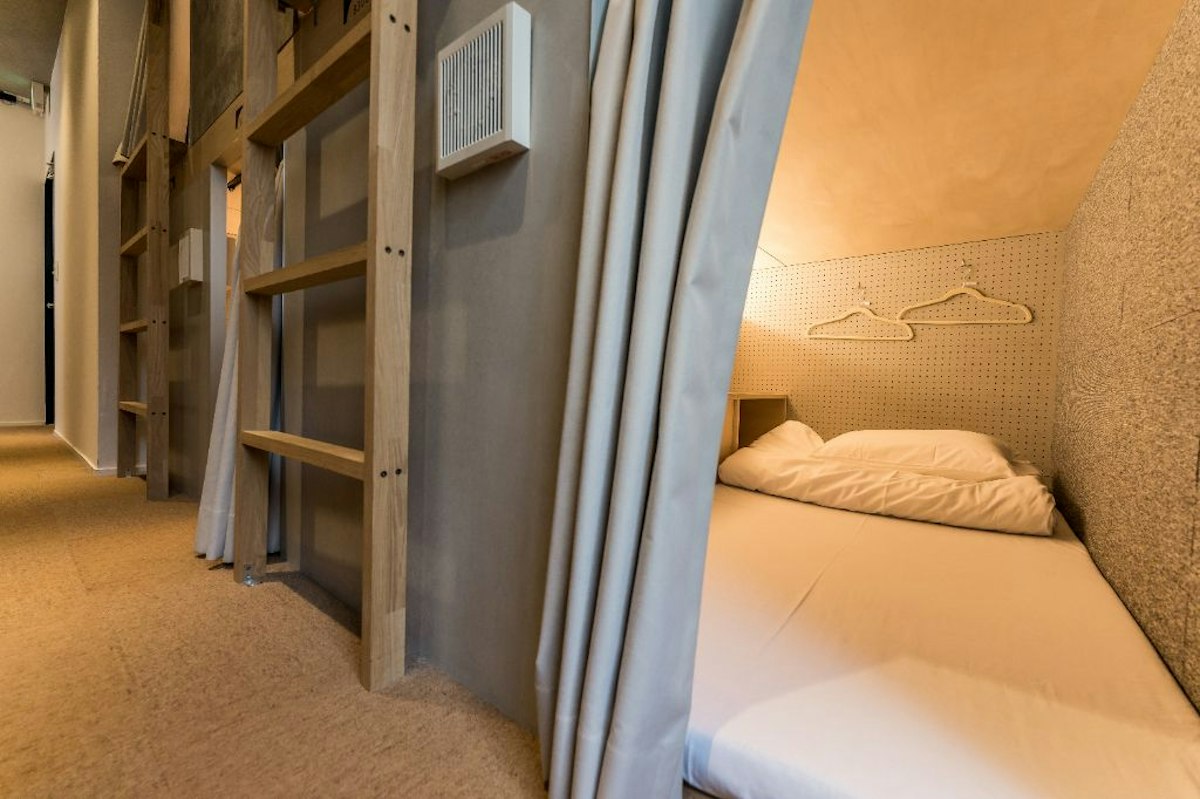
東京・日本橋・茅場町。秋葉原駅徒歩10分, 岩本町駅徒歩6分, 馬喰町駅徒歩5分。住民票取得可能、キッチン付き、洗濯機付き、コインランドリー付き。作業用スペースとしても、宿泊施設としても使えるunito最初の拠点。unito CHIYODA
パークアクシス神楽坂・早稲田通り
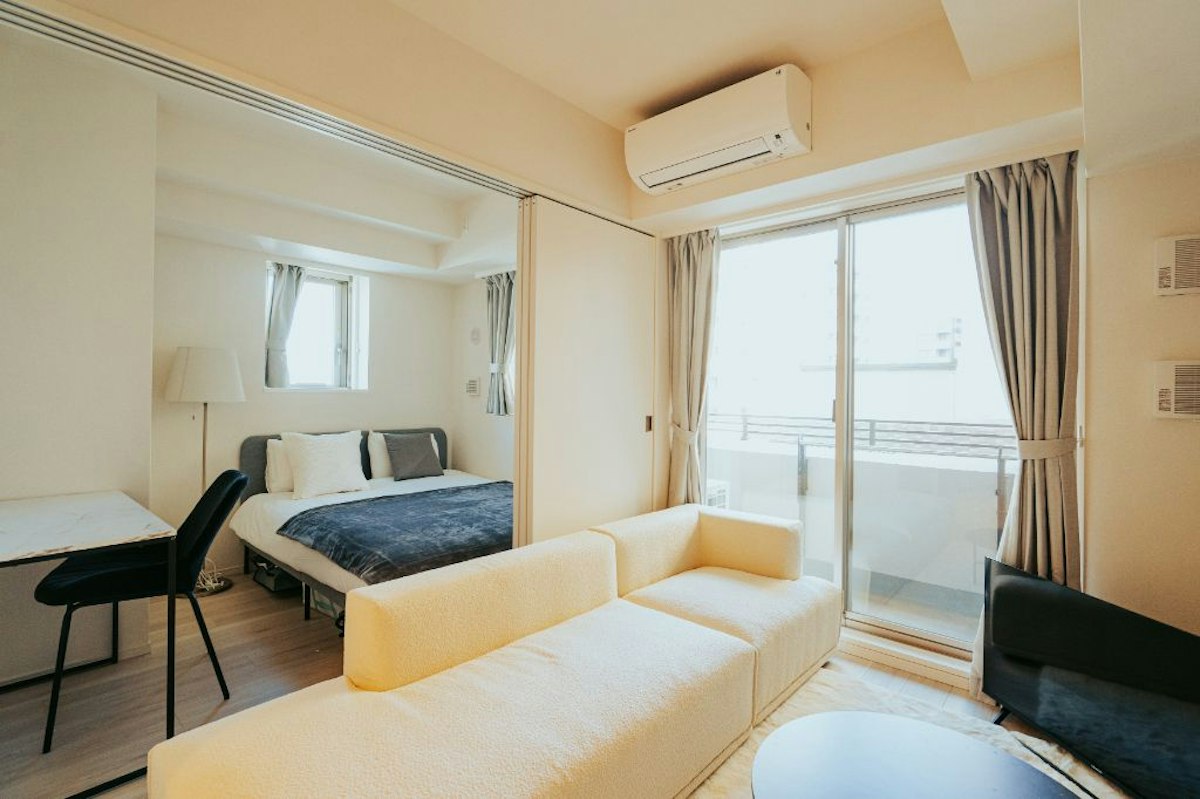
新宿・代々木・大久保。東西線神楽坂駅徒歩5分。キッチン付き、洗濯機付き。石畳の路地や老舗の料亭、趣のあるカフェや雑貨ショップなど、風情と華やかさが共存する神楽坂エリア。商店街や飲食店も充実しており、暮らしの利便性にも優れています。パークアクシス神楽坂・早稲田通り
6Hotel Residence unito KIKUKAWA
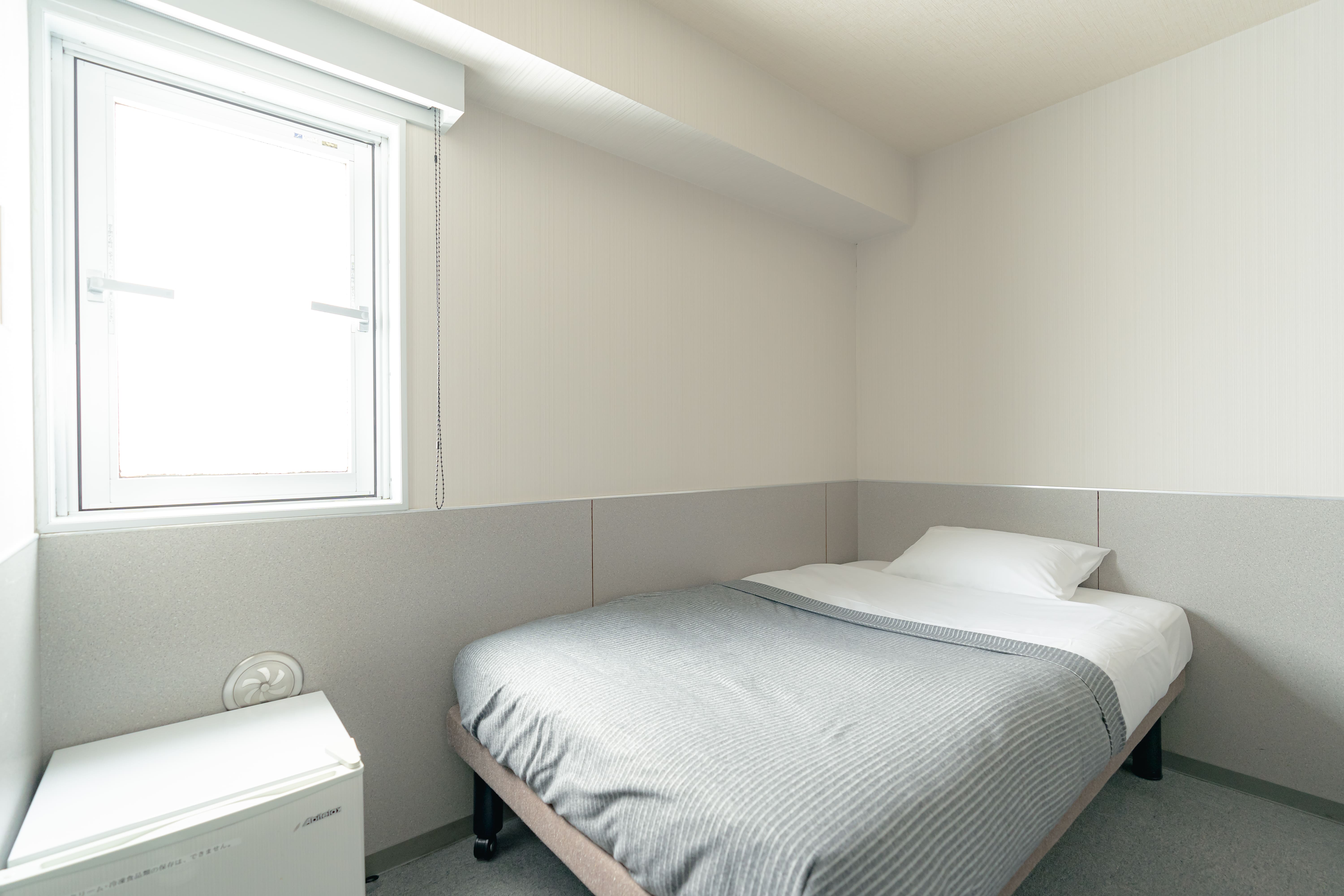
We will be conducting partial renovation work within the building on the following dates. During this period, there may be construction noise and vibrations at certain times.
Dates: Monday, July 1, 2024 - Thursday, October 31, 2024
Time: 7:00 AM - 6:00 PM
Details: Renovation of the 1st-floor lounge / Demolition work on the 2nd floor
Please note that the 1st-floor lounge will be unavailable for use throughout the day during the renovation period.
We sincerely apologize for any inconvenience this may cause and appreciate your understanding and cooperation.
Excellent Access to Urban and Suburban Areas
You can reach Disneyland, Asakusa, Ueno Ameyoko, and the Budokan in about 30 minutes.
Our rooms are fully equipped with amenities and appliances to ensure a comfortable stay. You can also register your residence here!
○Room Facilities
Air conditioning/Unit bath/Digital terrestrial broadcasting-compatible [high-definition] Toshiba REGZA TV/Wired and wireless internet access/Mini fridge/Safe/Hairdryer/Electric kettle/Nightgown/Towels (bath towel & face towel)/Humidifier/Toiletries (rinse-in shampoo, body soap, toothbrush)/Razors, hairbrushes, body sponges, and cotton swabs are available next to the 1st-floor elevator.
○Items Available for Loan
iPhone charger (Lightning)
○Luggage Storage During Re-rent Periods
During Re-rent periods, we will store your luggage at the front desk, not in the room. We can store one suitcase per guest.
https://en.unito.life/property/14475
7Park Axis Ikebukuro | n'estate パークアクシス池袋
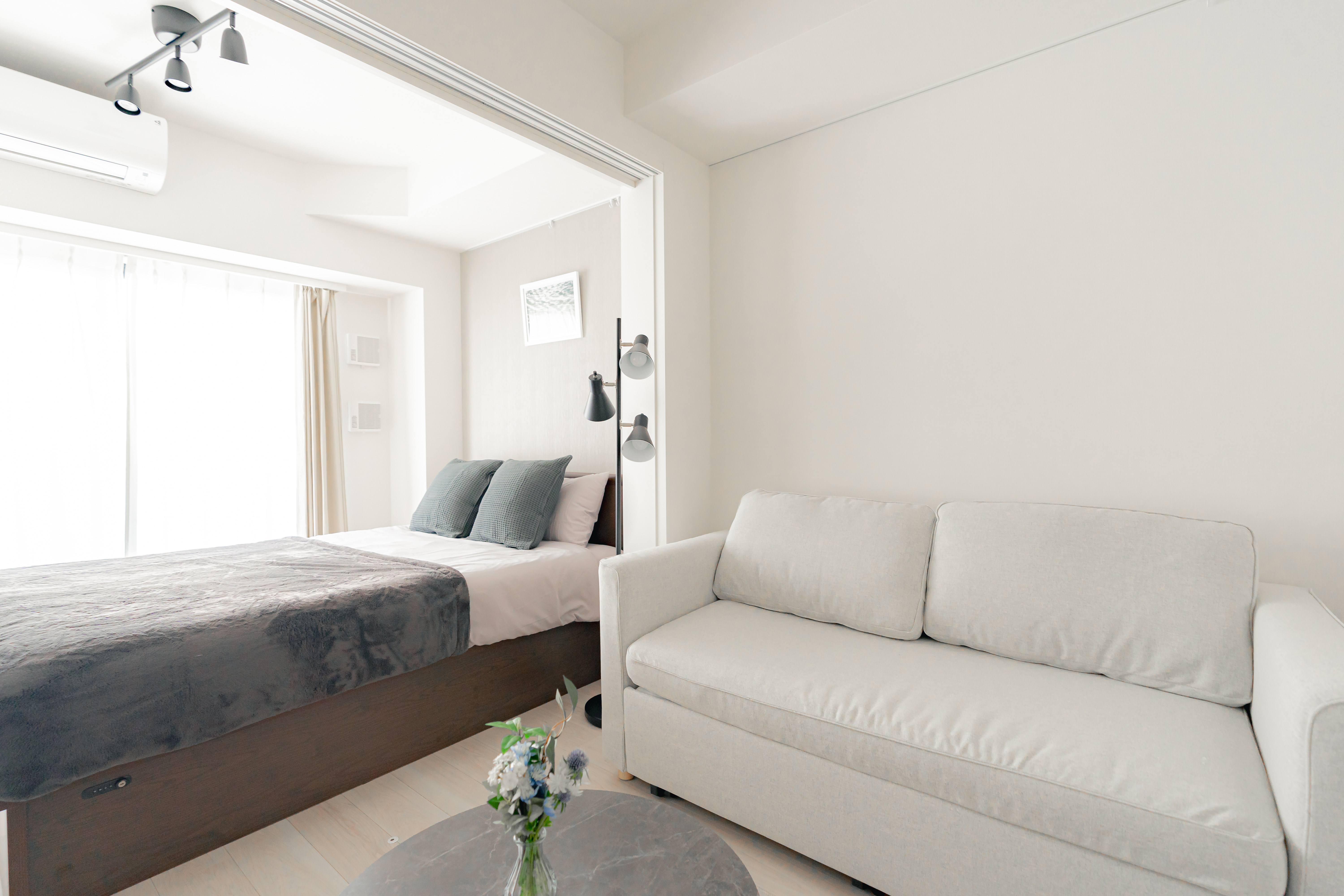
池袋・高田馬場・早稲田。池袋駅 徒歩6分。住民票取得可能、キッチン付き、洗濯機付き。池袋は、大型ショッピング施設をはじめ、さまざまな商業施設や飲食店が立ち並ぶ国内有数の繁華街。ショッピングやグルメ、エンターテインメントなど、都心ならではの多彩な楽しみを身近に満喫できます。
リレントレジデンス渋谷
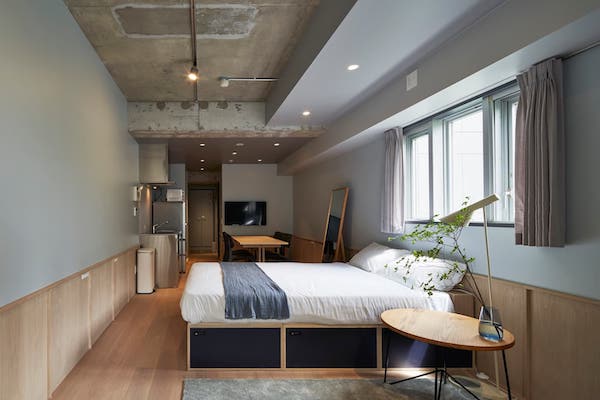
渋谷・恵比寿・代官山。渋谷駅徒歩3分。住民票取得可能、キッチン付き、洗濯機付き。キッチンや洗濯機といった設備が備え付けられているため、中長期でも快適にご滞在いただけます。リレントレジデンス渋谷リレントレジデンス渋谷
unito light SHIMBASHI
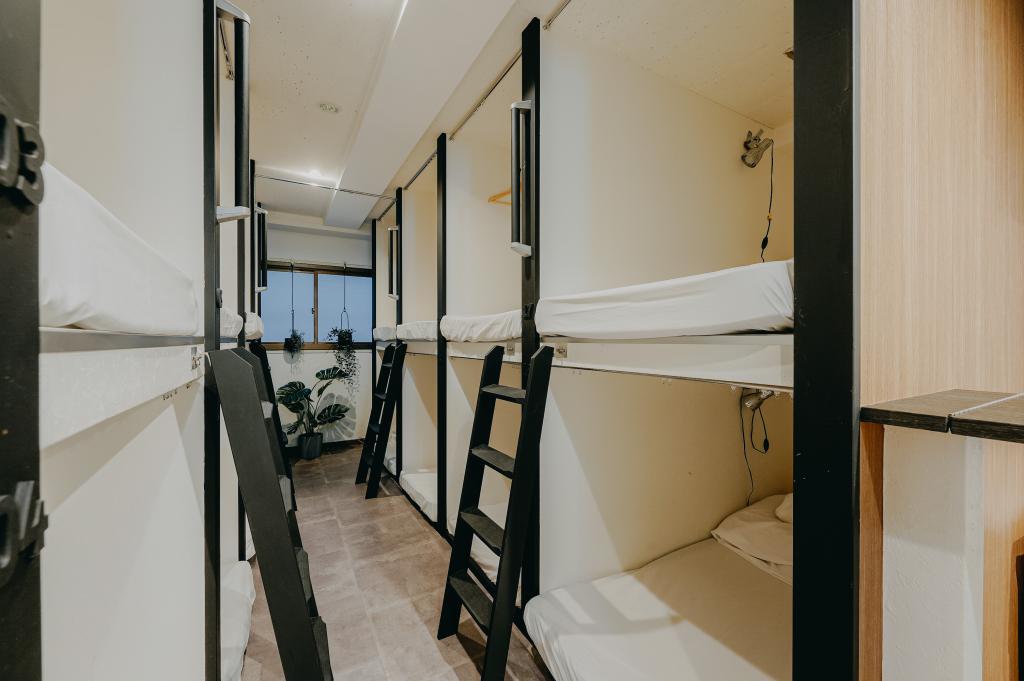
銀座・新橋・有楽町。JR新橋駅 烏森口 徒歩8分。キッチン付き。近くには多くの店が立ち並び、ショッピングにも最適です。!
unito light SHIMBASHI
10Re-rent Residence Ohashi Hall
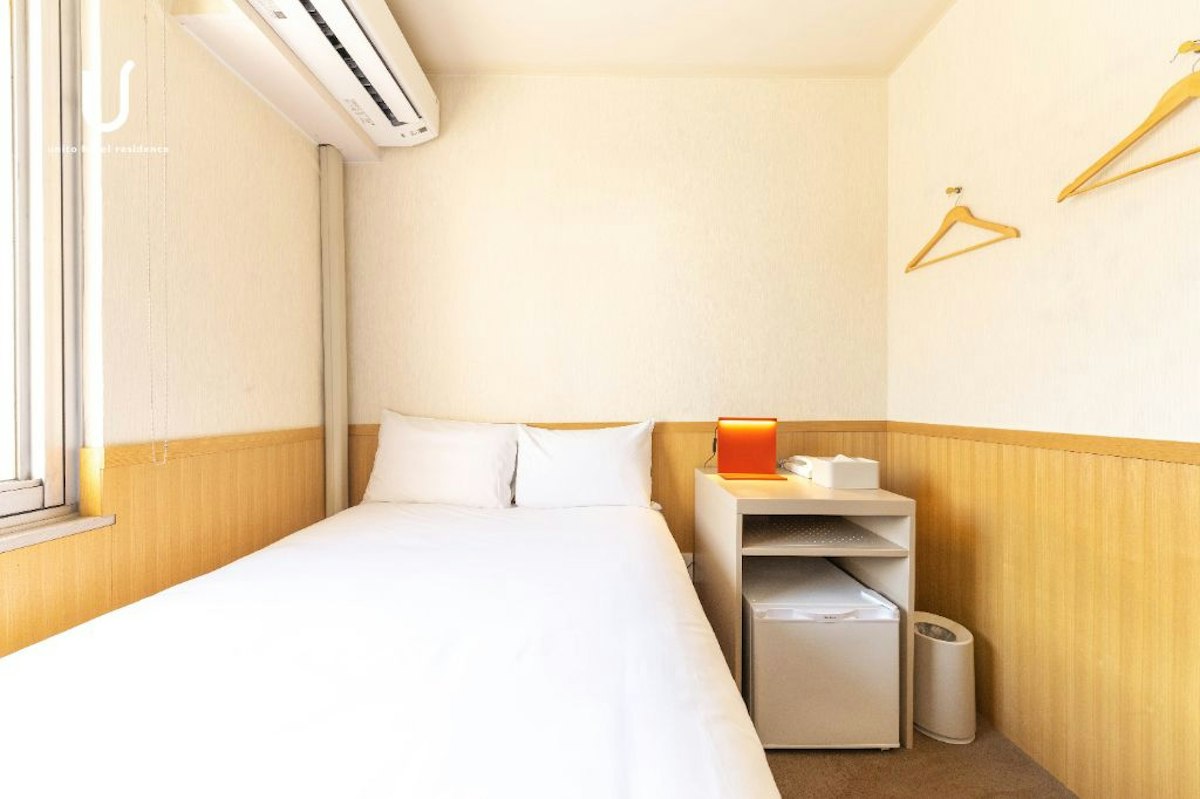
**○**How to Use
- Click on "Try Living for a Day."
○
ホテルレジデンス大橋会館 by Re-rent Residence
unito residence OTSUKA
池袋・高田馬場・早稲田。JR山手線大塚駅徒歩5分。住民票取得可能、キッチン付き、洗濯機付き。3路線が使える便利な立地で、池袋・新宿・東京方面へもスムーズにアクセスできます。unito residence OTSUKAunito residence OTSUKA
12Re-rent Residence リレントレジデンス押上
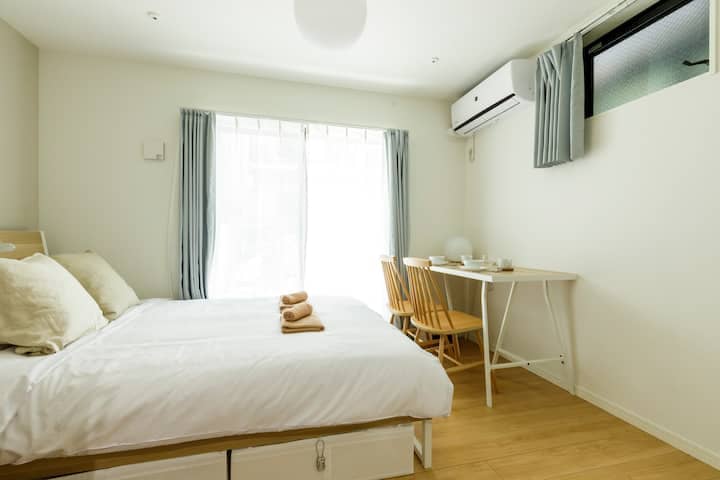
押上・両国・錦糸町。半蔵門線押上駅徒歩6分。住民票取得可能、キッチン付き、洗濯機付き。成田・羽田空港への直行アクセスも可能で、観光やビジネスの拠点として便利です。リレントレジデンス押上リレントレジデンス押上
unito residence SHIBUYA New South
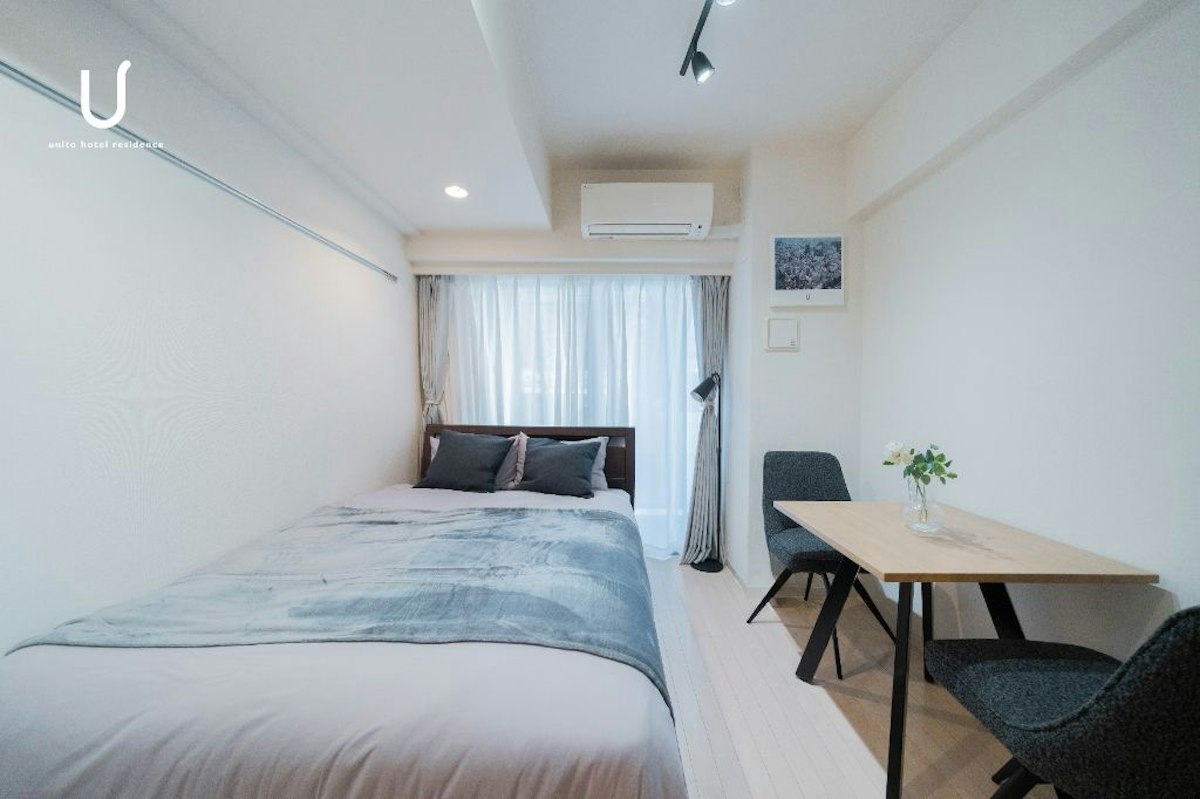
渋谷・恵比寿・代官山。山手線渋谷駅徒歩2分。住民票取得可能、キッチン付き、洗濯機付き。都内各地へのアクセスも良く、観光にもビジネスにも便利です。https://en.unito.life/property/unito residence SHIBUYA New South
unito池袋
池袋・高田馬場・早稲田。池袋駅C1 / C5 / C6出口から徒歩およそ18分, 東武東上線北池袋駅徒歩15分。住民票取得可能、キッチン付き、洗濯機付き。また、駅周辺には飲食店やカフェも多数あり、観光・ショッピング・出張の拠点として便利な立地です。○
unito池袋unito池袋
15Park Axis Kinshi Park | n'estate Kinshi Park
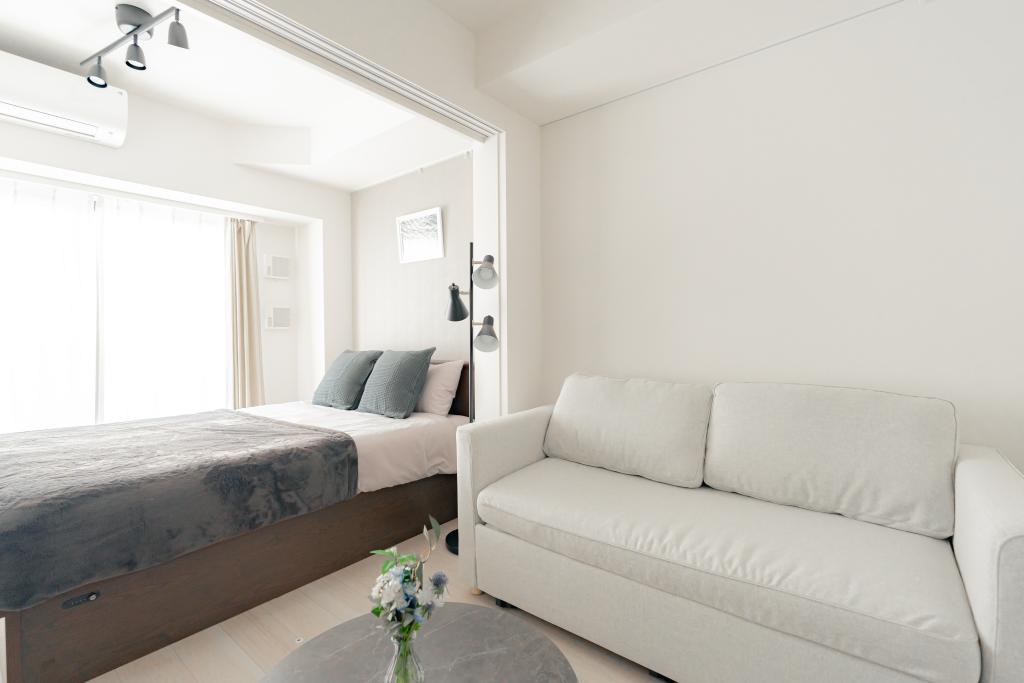
On the first floor, there is a lounge that can also be used as a workspace, and it is equipped with facilities for comfortable telework.
There is also a private booth, which can be used for meetings. Of course, you can use the Internet with Wi-Fi function free of charge.
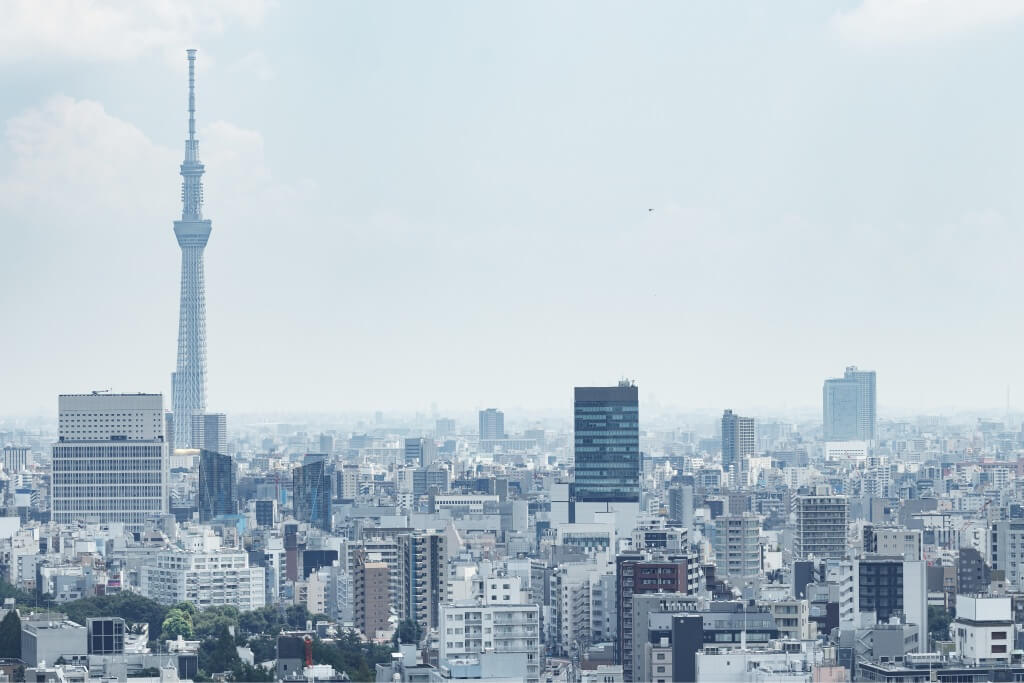
5 minutes walk to Kinshicho Station (*). Please welcome a life that is close to the lush greenery and overlooks the Sky Tree.
https://en.unito.life/property/5991
→For more information on 'unito', click here!
8-1 Conclusion
In summary, Japanese apartments offer a unique living experience with various types, sizes, and features. Understanding these aspects can help you find the perfect home.
Exploring Japanese apartment living can be a rewarding adventure, offering insights into Japanese culture and lifestyle.
For further information, check out resources on moving to Japan, real estate websites, and guides on Japanese customs and daily life.